Nvidia RTX Spark prices are out: $2,599 to $7,000
By Nihar Ranjan Das · Sat Aug 08 2026 · 8 min read · 12 views · Updated Mon Oct 12 2026
View as a Web StoryAIGadgets#memory shortage#nvidia rtx spark#ai pc#local llm#gpu prices#computex 2026
Nvidia's RTX Spark laptops now have prices, and the cheapest one starts at $2,599.99, not the $1,799 that leaked in June. Pre-orders opened on October 7, 2026, and first units are due around October 16. We wrote the first version of this post in August, when no partner would name a number. That gap was the story. The numbers that arrived are higher than the leaks, and memory explains most of the difference.
What changed since August
Here is what is now known, and what is still open:
- Prices are official. Six launch partners listed laptops between roughly $2,600 and $7,000, according to PCWorld's launch roundup.
- The floor moved up. The June leak of about $1,799 for the lower tier did not survive. No launch laptop starts below $2,599.99.
- 128GB is real but not cheap. It shows up as a configure-to-order option at the top of each range, not as the shelf model.
- Still unknown. Independent benchmarks, battery life under load, and the compact desktops, which are expected in November.
What does the RTX Spark cost at launch?
RTX Spark is Nvidia's first system-on-a-chip for Windows laptops, pairing an Arm CPU with a Blackwell GPU and a shared pool of LPDDR5X memory. Unified memory is a single pool of RAM that the CPU and GPU both read, so a model does not have to be copied between system RAM and video memory.
The table below uses the starting prices reported by PCWorld and the model list at Tech Insider. Memory options differ by maker, so check the retailer page before you buy.
| Laptop | Starts at | Top configuration reported | Memory options reported |
|---|---|---|---|
| Microsoft Surface Laptop Ultra | $2,600 | $5,900 | 24GB to 128GB |
| Asus ProArt P14 | $2,600 | $6,500 | 24GB to 128GB |
| Asus ProArt P16 | $2,800 | $7,000 | 24GB to 128GB |
| Lenovo Yoga 9n | $3,000 | $4,500 | 32GB or 64GB |
| HP OmniBook Ultra 16 | $3,200 | $5,000 or more | 32GB or 64GB |
| Dell XPS 16 Creator Edition | $3,800 | not listed | 32GB up to 128GB |
!Bar chart of RTX Spark laptop price ranges from the base model to the top configuration, with the June leaked prices of $1,799 and $2,899 marked
Two things stand out. First, the entry models ship with 24GB, not the 64GB or 128GB that Nvidia used to sell the platform. Second, the leaked $2,899 flagship figure turned out to be roughly where the cheap end of the range landed. The expensive end is more than twice that.
Why the leaks were too low
In August we argued the leaks should be read as a floor, because DRAM contract prices were forecast to rise another 13 to 18 percent in the third quarter, according to TrendForce. That call held up. The earlier Gizmochina leak was priced in June, before the third-quarter memory increase landed.
Memory is also the clearest line item in the launch pricing. Tech Insider reports that MSI's Prestige N16 Flip AI+ costs $3,299 with 32GB and $4,199 with 64GB. Treat that as one outlet's reading of a retailer listing, but the arithmetic is simple.
$4,199 - $3,299 = $900 for 32GB extra
$900 / 32GB     = about $28 per extra gigabyte
At that rate, the step from 24GB to 128GB on a Surface or ProArt would cost about $2,900 in memory alone. The listed spread on those machines is $3,300 to $4,200, so the memory upgrade accounts for most of it. PCWorld's reporting on the Surface Laptop Ultra, which runs from $2,600 to $5,900, is consistent with that.
That is our own estimate from a single data point, not a Nvidia or retailer figure. It is still the most useful number for deciding whether to buy the base model or pay up.
Advertisement
What the memory buys you for local AI
The reason to want 128GB is to run big models without a data-center GPU. A model needs its weights in memory, plus room for the context. Nvidia has cited 120-billion-parameter models as the headline use.
A rough rule: weights take about half a byte per parameter at 4-bit quantization. So a 120B model needs around 60GB just for weights, before the context cache. That fits in 64GB only barely, and fits comfortably in 128GB.
Speed is the part buyers forget. When a dense model generates text, the chip reads essentially all the weights for every token. That makes memory bandwidth the ceiling:
tokens per second <= bandwidth / model size
300 GB/s / 60 GB  = about 5 tokens per second
273 GB/s / 60 GB  = about 4.5 tokens per second
Those are upper bounds for a dense 4-bit model, calculated by us, not measurements. Mixture-of-experts models read only part of their weights per token, so they can run several times faster on the same hardware.
The bandwidth figure itself is disputed. StorageReview calculates about 300.8GB/s from Dell's spec of 9,400 MT/s on a 256-bit bus. Nvidia's sibling DGX Spark chip, the GB10, ships at 273GB/s with LPDDR5X-8533. Until a reviewer measures it, plan around 273 to 300GB/s.
!Chart of the maximum tokens per second a dense model can reach at 273 and 300 gigabytes per second of memory bandwidth, for models from 8GB to 60GB
The practical reading is this. A 128GB RTX Spark laptop can hold a model that no 16GB gaming laptop can load at all. It will not generate text fast. If you want speed, a smaller model that fits in 24GB or 32GB will feel better than a giant one that fits barely.
Which memory tier fits which model
Use this table to pick a tier before you look at prices. It assumes 4-bit weights at about 0.5GB per billion parameters, and it leaves out the operating system and the context cache. Those two items commonly take 8GB to 16GB between them, so the real headroom is smaller than the arithmetic suggests.
| Model size | Weights at 4-bit | Fits in 24GB | Fits in 64GB | Fits in 128GB |
|---|---|---|---|---|
| 8B | about 4GB | yes | yes | yes |
| 32B | about 16GB | tight | yes | yes |
| 70B | about 35GB | no | yes | yes |
| 120B | about 60GB | no | barely | yes |
The 24GB base model is a fine machine for 8B models and a squeeze for 32B ones. If your plan is a 70B model, 64GB is the real entry point, and that is the tier where the price climbs fastest.
Who is selling, and when
Microsoft, Asus, HP, Dell, MSI and Lenovo opened pre-orders first, with most units due on October 16, according to PCWorld. Tom's Guide gives October 18 for some listings, so expect a few days of variation by retailer.
Acer and Gigabyte follow on October 23, per Tech Insider, and the compact desktops are expected in November. Best Buy carries most pre-orders, with Amazon, Costco and B&H on some models.
Power is the other spec to watch. StorageReview reports laptops running at 45 to 80W, against 140W for the desktop version. A thin laptop at 45W will not match the desktop chip in sustained work.
Should you buy an RTX Spark laptop now?
The August advice was to wait unless local models were the real requirement. The October version is sharper, because now there is a price to compare.
Buy at launch if you need to load 70B to 120B models on a Windows machine and a $4,000 to $7,000 laptop is a business expense.
Wait for reviews if you want the base 24GB model. At $2,600 you are paying a first-generation Arm Windows premium for a memory size that a cheaper laptop already offers. Driver and app compatibility on Windows on Arm is the open risk, and no independent review has tested it yet.
Skip it if your work is games and ordinary apps. Nvidia's claim of AAA titles above 100 frames per second at 1440p came without published test settings, and nothing independent has confirmed it.
Compare against what is on sale today. A Mac with large unified memory ships now on a mature Arm software stack. Renting GPU time costs nothing up front. If you only need a model for a few hours a week, rental is almost certainly cheaper than $4,000 of laptop.
What to check before you order
- Which memory tier you are buying. Look for the 24GB label on the base model. A listing photo will not tell you.
- Whether the price is for N1 or N1X. Reports disagree on how the chips map to models, so read the spec sheet rather than the headline price.
- Return policy. For a first-generation platform, a 30-day return window is worth more than a $100 discount.
- The power limit. Ask for the sustained wattage, not the peak.
- Reviews from the week of October 16. Independent benchmarks and memory bandwidth tests will be the first real data.
The takeaway
In August the missing price tag told us memory was the problem. October confirms it. The RTX Spark is a capable idea priced like a workstation, and the memory configuration is what you are really buying. If you can name the model you want to run, work backwards from its size to the memory you need. If you cannot, wait for the reviews, because a 24GB first-generation laptop at $2,600 is not a bargain.
The same squeeze is visible across consumer hardware. The Pixel 11 price increase is really a RAM shortage, and the RTX Spark launch is the same story at a higher price point.
Advertisement
FAQ
How much does the Nvidia RTX Spark cost?
RTX Spark laptops start at $2,599.99 for the Surface Laptop Ultra and Asus ProArt P14. Prices rise to roughly $7,000 for a 128GB Asus ProArt P16. HP starts at $3,199 and Dell at $3,800. These are launch pre-order prices reported in early October 2026, so confirm the retailer listing.
When does the Nvidia RTX Spark release?
Pre-orders opened on October 7, 2026, and most laptops are due on October 16, per PCWorld, though Tom's Guide lists October 18 for some. Acer and Gigabyte models follow on October 23. Compact RTX Spark desktops are expected in November 2026.
Why is the RTX Spark so expensive?
Memory is the biggest driver. The chip is built around up to 128GB of LPDDR5X unified memory, and DRAM prices rose through 2026. One listing implies about $900 for an extra 32GB, near $28 per gigabyte. A premium Arm Windows platform and OLED displays add to the total.
Is the RTX Spark good for running local AI models?
It can hold models that a 16GB gaming laptop cannot load. A 120-billion-parameter model at 4-bit needs about 60GB. Speed is limited by 273 to 300GB/s of memory bandwidth, which caps a dense 60GB model near 5 tokens per second. Independent benchmarks have not been published yet.
Which RTX Spark laptop should I buy?
Buy a 64GB or 128GB model only if you have a specific large model to run. The 24GB base laptop suits models up to roughly 30 billion parameters. If you are unsure, wait for reviews in the week of October 16, because this is a first-generation Windows on Arm platform.
Comments
Loading…
Sign in to join the conversation.
Related posts
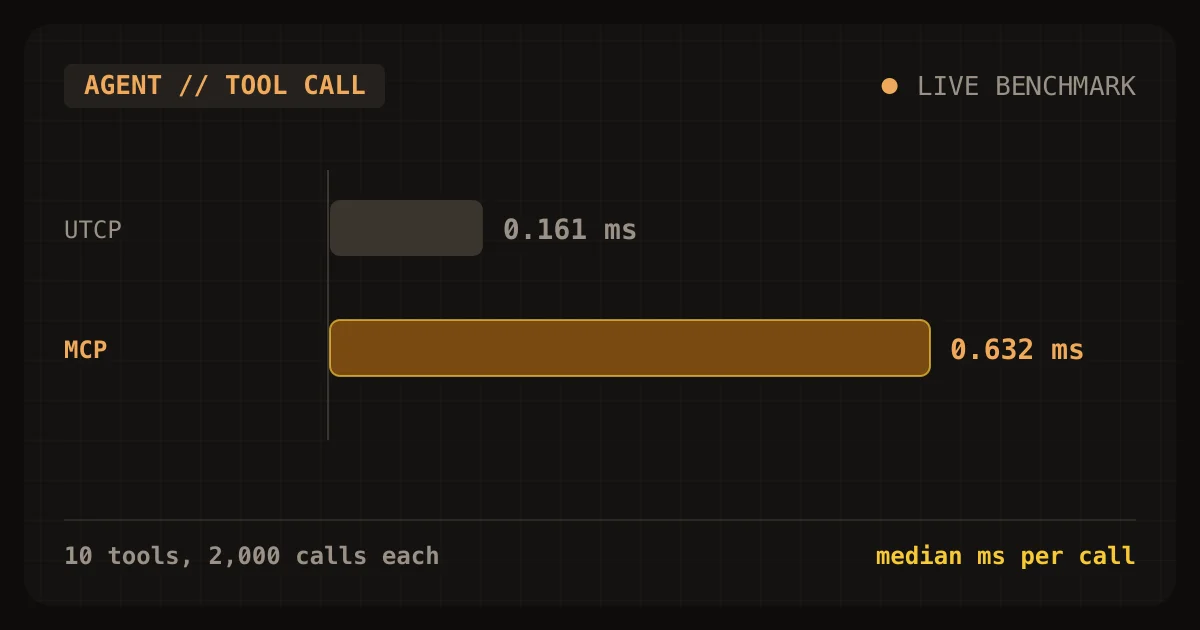
MCP vs UTCP: we timed both on the same 10 tools
On identical tools, a UTCP call took 0.161 ms and an MCP call 0.632 ms. Tool definition size was nearly the same. Here is how to choose.
Wed Nov 04 2026 · 10 min read · 7 views
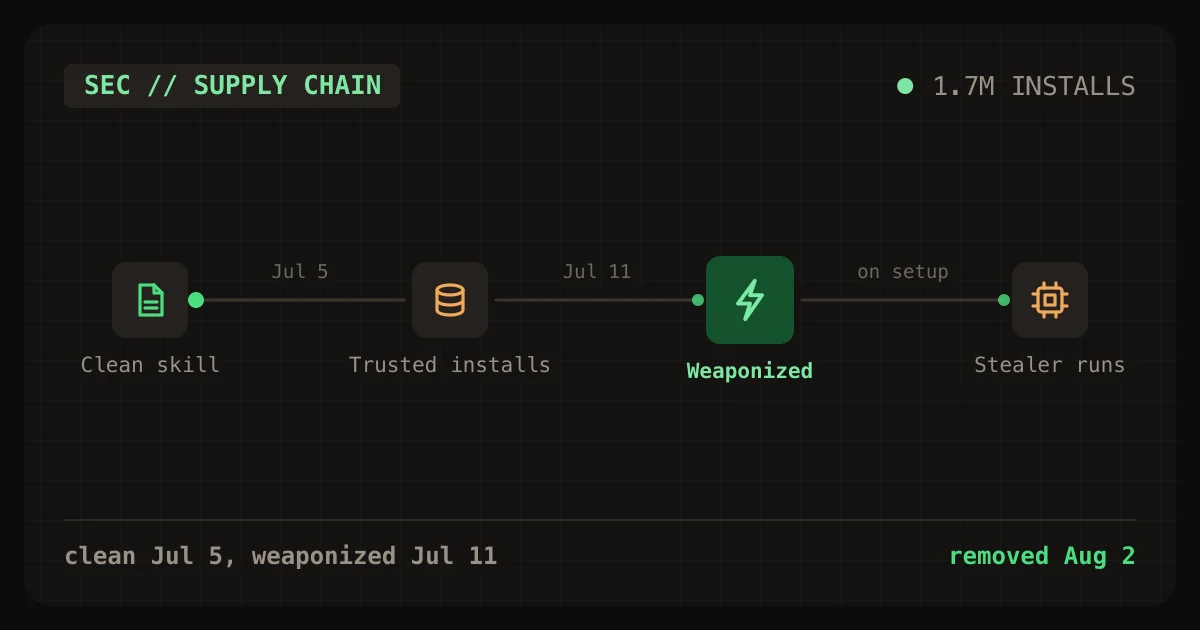
Are agent skills safe to install? A 1.7M-install trojan
Trojanized skills hit 1.7M displayed installs before takedown. See how the attack worked, a 6-check audit script, and what it found on a real dev machine.
Wed Oct 28 2026 · 9 min read · 1 views
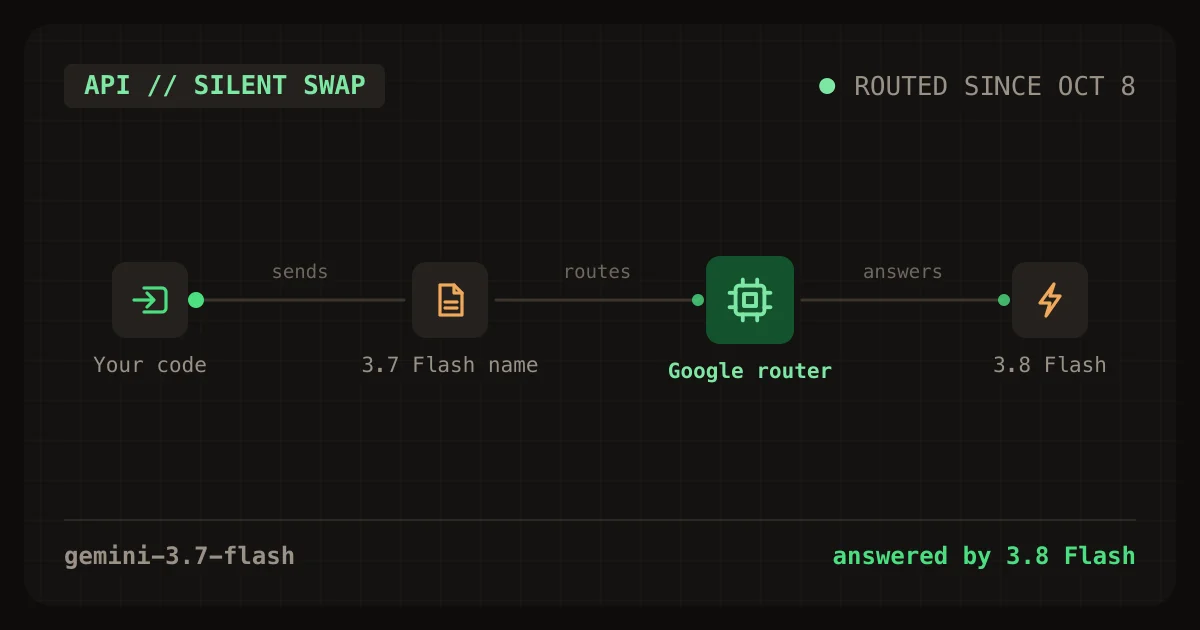
Gemini 3.7 Flash now runs as 3.8 Flash: what to check
Google quietly routes gemini-3.7-flash calls to 3.8 Flash. Check your logs, the minimal thinking error, and the Jan 1, 2027 price doubling. Scanner and test included.
Wed Oct 28 2026 · 9 min read · 2 views