Nvidia's $500B AI financing deal, explained
By Nihar Ranjan Das · Wed Aug 12 2026 · 6 min read · 53 views
View as a Web StoryAI#nvidia#ai-infrastructure#gpu#data-centers#ai-costs
Nvidia announced on 10 August 2026 that it is working with six of the world's largest capital managers. The goal is to mobilise more than $500 billion for AI data centres. Almost every report of that announcement mentioned a detail that appears nowhere in it: that Nvidia will backstop up to 25% of the residual value of its own chips. The press release contains no guarantee language at all. The 25% figure comes from Jensen Huang's own commentary afterwards. That gap decides who carries the risk on hardware now being used as loan collateral.
What Nvidia actually announced
The partners are Apollo, BlackRock, Blackstone, Brookfield, Goldman Sachs and KKR. Goldman Sachs is the only bank in the group. It is positioned to lead public debt offerings and to distribute returns through its asset-management arm. Nvidia's stated goal is to mobilise "over $500 billion of third-party capital" over time (NVIDIA Newsroom, 10 August 2026).
Two qualifiers matter more than the headline number. The agreements are memorandums of understanding. An MOU is a written statement of intent that does not bind either side to terms. Nvidia's own release says they "remain subject to execution of the final agreements". The $500 billion is also mobilised "over time", with no schedule attached.
Nothing has been signed. Reporting suggests the first deals reach market within months (The National, 11 August 2026).
The mechanism is the part worth learning. A special-purpose entity is a company set up to hold one pool of assets and the debt raised against it. These entities issue bonds, buy compute, and lease it to Nvidia's customers. The GPUs are the collateral. Because compute can be moved from one tenant to another, the structure is pitched as safer than lending to a single operator. If one AI company fails, the machines are re-let to the next one.
Where the 25% number came from
Nvidia's release describes its compute as "broadly adopted, flexible across models and workloads, fungible and transferable across customers". That is a claim about liquidity. It is not a financial commitment, and the release makes none.
The commitment surfaced separately. Huang said Nvidia may provide financing support of up to 25% of an opportunity, judged project by project. He described the arrangement on X, answering critics (the-decoder, August 2026).
What this post adds: read side by side, the two documents do not say the same thing. "Nvidia guarantees its chips" and "Nvidia may cover up to a quarter of some deals, if it chooses to, under terms not yet written" are different claims. Only the second one is supported by the record. Bond buyers hold the rest.
The depreciation fight underneath it
All of this rests on one open question. How long is a GPU actually worth something?
Depreciation is the yearly cost a company books as an asset wears out. Residual value is what the asset can still be sold or re-let for at the end. Both numbers are estimates. Both are chosen by the company doing the estimating.
Advertisement
Huang argues the useful life is long. He points to the A100, launched in 2020 and still in commercial use six years later. He puts the economic lifespan near a decade. If that holds, GPUs are sound collateral.
The opposing case belongs to Michael Burry. He argues that cloud providers depreciate Nvidia hardware over five or six years while the real economic life is nearer two or three. He put the industry-wide understatement at roughly $176 billion between 2026 and 2028. He also estimated Oracle's earnings could be overstated by 26-27% by 2028 (CNBC, 11 November 2025).
Neither man is neutral. Both hold a position in the outcome. But the disagreement is not rhetorical. The residual value assumption is what makes GPU-backed debt work or fail, and a 25% partial backstop only helps if the other 75% is priced right.
| Claim | Huang | Burry |
|---|---|---|
| Economic life of a data-centre GPU | Near a decade | 2-3 years |
| Evidence cited | A100 still earning in 2026 | Depreciation schedules vs chip cycle |
| Implication for GPU-backed bonds | Sound collateral | Mispriced collateral |
Why this shows up in what you pay
You do not buy an H-series GPU. You rent its output, in API calls and subscriptions. Data centre economics set that price.
The link runs through depreciation. A GPU financed over ten years carries a smaller yearly cost than the same GPU financed over three. Longer assumed lives make cheap inference pricing defensible today. If those assumptions shorten, the cost has to go somewhere. It lands on the operator, and eventually on the invoice.
That is one reason the cheapest AI API is not the cheapest to run. The price on a token reflects assumptions about hardware life that the buyer never sees and cannot audit. It is the same pattern behind consumer prices, which is why RAM prices are cooling one quarter and spiking the next, and why Nvidia's RTX Spark has no price yet while supply is still moving. Even the Pixel 11 price increase traces back to a memory shortage rather than to margin.
What to watch next
Three things will tell you whether this deal is what it sounds like.
The final agreements. Everything announced is an MOU. The residual-value terms and the 25% ceiling are still to be written. Read the first entity's offering documents, not the press release.
The depreciation schedules. Hyperscaler filings state assumed useful lives for server hardware. If those lengthen while GPU generations keep shipping every year, Burry's argument gets stronger on its own.
Secondary prices for older GPUs. If A100 and H100 rental rates hold, Huang's decade thesis has evidence behind it. If they fall sharply, so does the collateral.
None of this is investment advice, and this post takes no position on any security. The argument here is about what compute costs and why. That part reaches everyone who pays an AI bill, including anyone testing whether AI agents can run a business on rented compute.
The short version
Nvidia has lined up six capital managers to fund AI data centres with GPUs as collateral. The target is over $500 billion, across an unstated period, under agreements that are not yet signed. The chip-value backstop that made the headlines is capped at 25%, applied case by case, and lives in Huang's commentary rather than in the announcement. Whether the structure is conservative or fragile depends on a number nobody has settled: how many years a data-centre GPU keeps earning.
Advertisement
FAQ
How much is Nvidia's AI financing deal worth?
Nvidia says the platforms are intended to mobilise over $500 billion of third-party capital over time. No schedule was given, and the agreements are memorandums of understanding still subject to final documentation.
Does Nvidia guarantee the value of its own chips?
Not in the announcement, which contains no guarantee language. Jensen Huang said separately that Nvidia may provide financing support of up to 25% of an opportunity, assessed project by project. Bond investors carry the remainder.
Who are Nvidia's partners in the $500 billion deal?
Apollo, BlackRock, Blackstone, Brookfield, Goldman Sachs and KKR. Goldman Sachs is the only bank in the group and is positioned to lead public debt offerings.
Why does GPU depreciation matter for AI prices?
A GPU financed over ten years carries a lower annual cost than the same GPU financed over three. Longer assumed useful lives make low inference pricing defensible. If those assumptions shorten, the cost has to surface somewhere, including in API and subscription pricing.
Comments
Loading…
Sign in to join the conversation.
Related posts
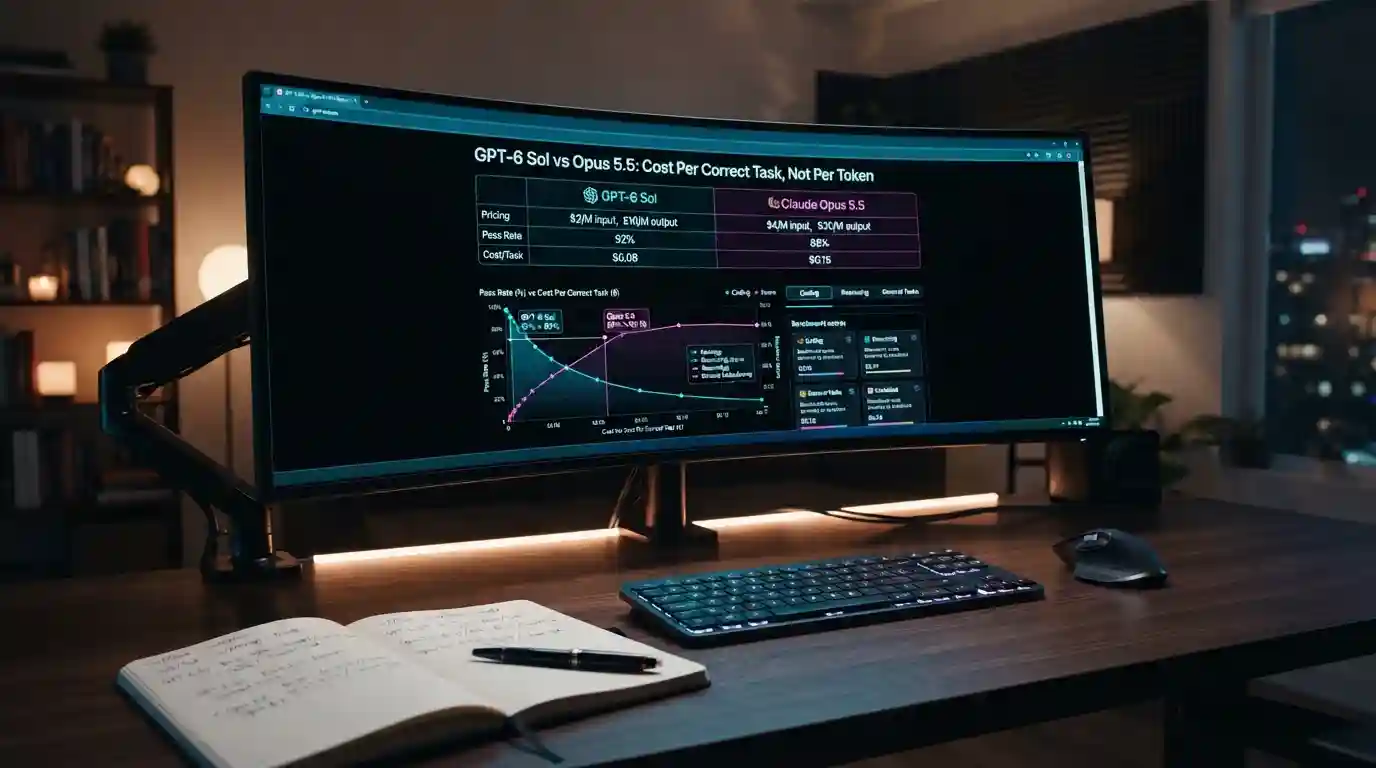
GPT-6 Sol vs Opus 5.5: cost per correct task, not per token
GPT-6 Sol costs exactly half as much per token as Claude Opus 5.5, but that does not make it half the cost of finishing your work. Sol is cheaper per attempt. Opus 5.5 succeeds more often on hard
Fri Sep 25 2026 · 6 min read · 1 views
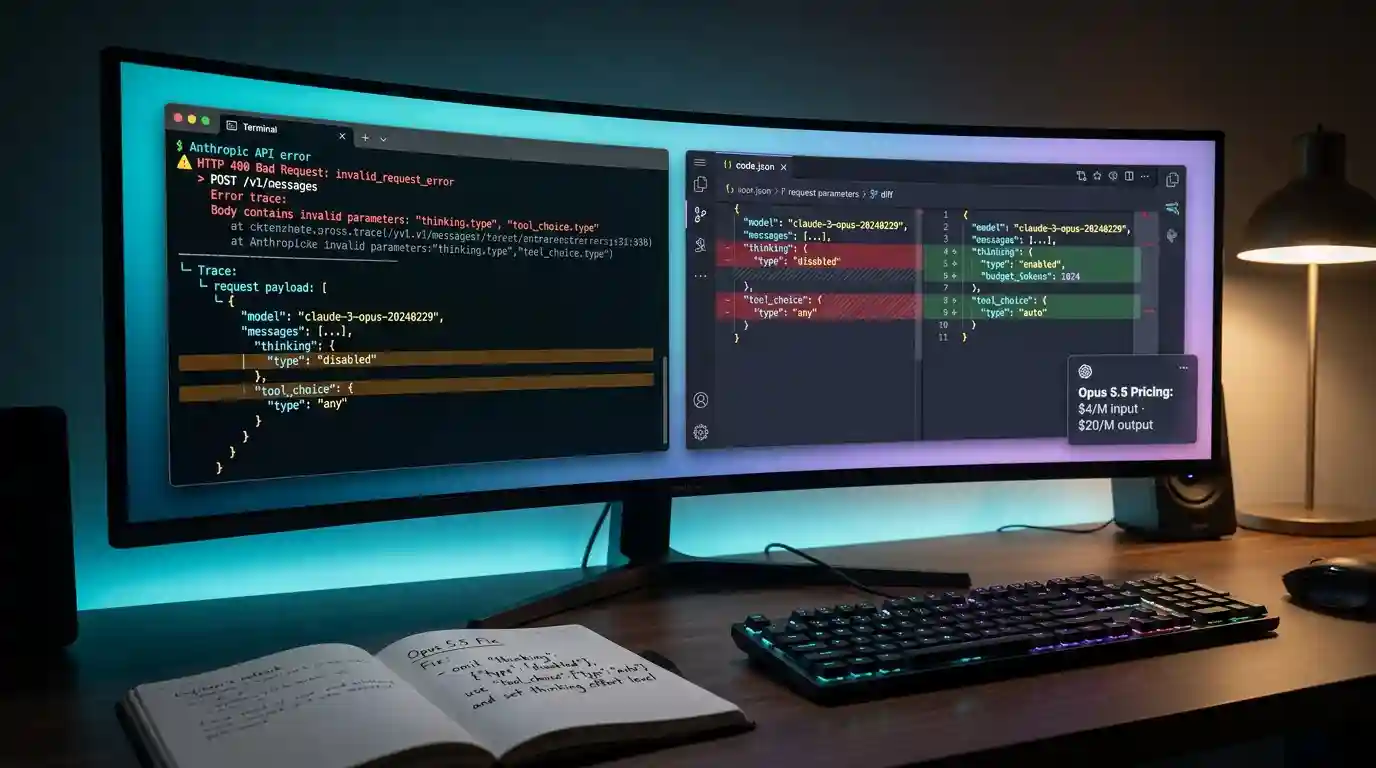
Claude Opus 5.5 returns 400 errors. Here is how to fix it
If your code moves from claude-opus-5 to claude-opus-5-5 and starts returning 400 errors, one of two request fields is the cause. Either thinking is set to disabled, or toolchoice is set to any or
Fri Sep 25 2026 · 8 min read · 1 views
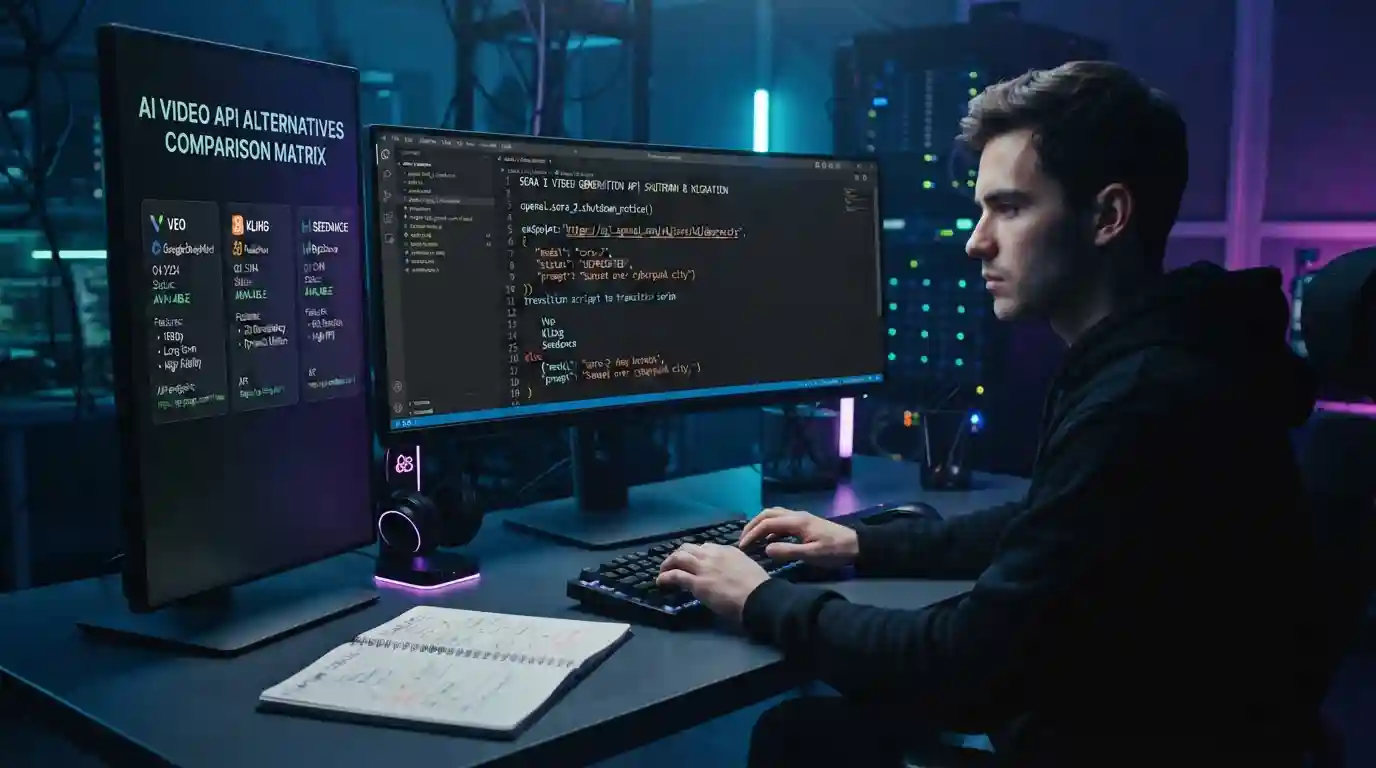
Sora 2's API is gone. What replaces it?
OpenAI removed the Sora 2 Videos API on Sept 24, 2026 with no successor. Compare per-second prices for Veo 3.1, Kling and self-hosted options.
Thu Sep 24 2026 · 5 min read · 4 views